Dry Mouth and It's effect on life and management

Dry Mouth (Xerostomia): Causes, Prevention, and Treatment Options in White Rock, BC
Is Dry Mouth More Than Just an Annoyance?
Everyone experiences a dry mouth occasionally—after waking up, during periods of stress, or after a long workout. But if your mouth feels dry day after day, it may be more than just temporary dehydration.
Dry mouth, also known as xerostomia, occurs when your salivary glands don't produce enough saliva to keep your mouth moist. While it may seem like a minor inconvenience, saliva plays a vital role in protecting your teeth, gums, and overall oral health. Without enough saliva, your risk of cavities, gum disease, bad breath, and oral infections increases significantly.
At Beachside Dental in White Rock, BC, we regularly help patients identify the underlying causes of dry mouth and develop personalized treatment plans to protect their smiles. Whether your symptoms are mild or severe, early intervention can prevent long-term dental complications.
Why Is Saliva So Important?
Saliva is much more than water. It performs several essential functions, including:
Washing away food particles and bacteria
Neutralizing acids produced by plaque
Helping prevent tooth decay
Providing minerals that strengthen tooth enamel
Lubricating your mouth for comfortable speaking and swallowing
Supporting healthy digestion by beginning the breakdown of food
When saliva production decreases, your mouth loses one of its most important natural defense systems.
Common Symptoms of Dry Mouth
A constant dry or sticky feeling in your mouth
Frequent thirst
Difficulty chewing or swallowing
Problems speaking comfortably
Dry or cracked lips
A sore throat or hoarse voice
Burning sensations on the tongue
Persistent bad breath
Changes in taste
Frequent cavities despite good brushing habits
Many people assume these symptoms are simply part of aging, but dry mouth is usually caused by another underlying factor that can often be managed.
What Causes Dry Mouth?
1. Medications

The most common cause of chronic dry mouth is medication.
Hundreds of prescription and over-the-counter medications list dry mouth as a side effect, including medications for:
High blood pressure
Depression
Anxiety
Allergies
Pain management
Parkinson's disease
Bladder conditions
Taking multiple medications can further increase the likelihood of developing dry mouth.
2. Medical Conditions

Certain health conditions affect saliva production, including:
Diabetes
Sjögren's syndrome
Rheumatoid arthritis
Alzheimer's disease
Stroke
Parkinson's disease
Patients receiving dialysis or living with autoimmune disorders may also experience significant dry mouth.
3. Cancer Treatments

Radiation therapy involving the head or neck may permanently damage salivary glands. Certain chemotherapy drugs can also reduce saliva production.
4. Mouth Breathing

Sleeping with your mouth open or chronic nasal congestion can leave your mouth feeling extremely dry every morning.
5. Lifestyle Factors

Dry mouth can also be triggered by:
Smoking or vaping
Alcohol consumption
Excessive caffeine
Dehydration
Recreational drug use
Why Dry Mouth Can Damage Your Teeth

Without adequate saliva, harmful bacteria multiply much more quickly.
This can lead to:
Rapid tooth decay
Gum disease
Plaque buildup
Oral yeast infections (thrush)
Difficulty wearing dentures
Tooth sensitivity
Persistent bad breath
Many patients are surprised by how quickly cavities can develop once saliva production decreases.
How Can You Prevent Dry Mouth?
Although some causes cannot be completely eliminated, there are many ways to reduce symptoms.
Stay Hydrated

Drink water consistently throughout the day rather than waiting until you're thirsty.
Carrying a reusable water bottle can make this easier.
Stimulate Saliva Naturally

Chewing sugar-free gum or sucking on sugar-free lozenges containing xylitol encourages natural saliva production while helping reduce cavity-causing bacteria.
Limit Caffeine and Alcohol

Coffee, tea, energy drinks, and alcohol can contribute to dehydration and worsen dry mouth symptoms.
Moderation can make a noticeable difference.
Avoid Tobacco
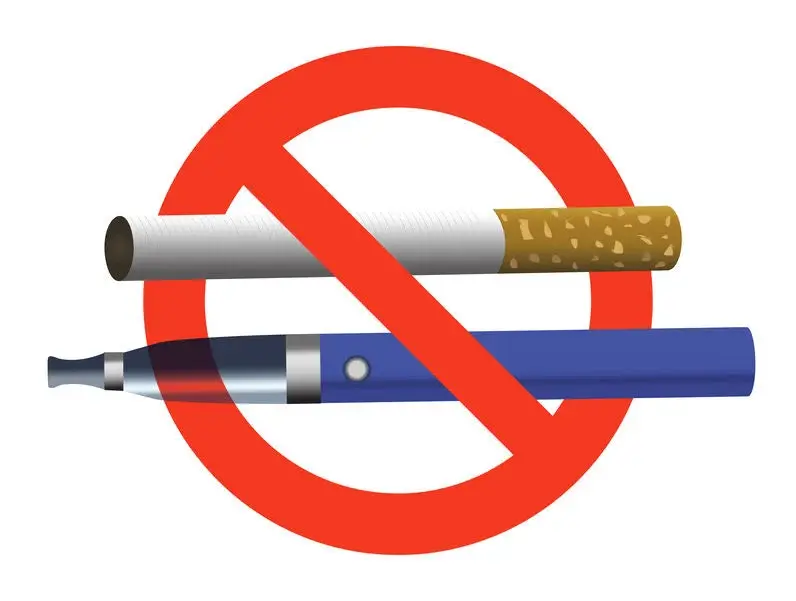
Smoking and vaping both contribute to dry mouth while increasing the risk of gum disease and oral cancer.
Breathe Through Your Nose

If allergies or congestion force you to breathe through your mouth, treating the underlying issue may significantly improve dry mouth.
Use a Humidifier

Adding moisture to your bedroom overnight can help reduce morning dryness.
Treatment Options for Dry Mouth
Treatment depends on the underlying cause.
At Beachside Dental, we begin by identifying possible contributing factors before recommending solutions.
Common treatments include:
Saliva Substitutes
Artificial saliva sprays, rinses, and gels can provide temporary moisture and comfort.
Prescription Medications
In some cases, medications that stimulate saliva production may be appropriate. These require evaluation by your physician.
Fluoride Treatments
Patients with chronic dry mouth often benefit from professional fluoride treatments to strengthen enamel and reduce the risk of cavities.
Customized Preventive Care
Because dry mouth increases the likelihood of tooth decay, your dentist may recommend:
More frequent professional cleanings
High-fluoride toothpaste
Additional dental examinations
Dietary guidance to reduce cavity risk
Protecting Your Smile with Regular Dental Visits
Dry mouth often develops gradually, and many people don't realize it's affecting their oral health until cavities or gum disease appear.
Routine dental examinations allow your dentist to identify early signs such as:
Increased plaque accumulation
Early enamel breakdown
Gum inflammation
Tooth sensitivity
Oral infections
Early diagnosis means treatment can begin before significant damage occurs.
When Should You See a Dentist?
You should schedule an appointment if:
Your mouth feels dry every day
You frequently wake up with a dry mouth
You're getting cavities more often than usual
Eating or speaking has become uncomfortable
Your symptoms persist for several weeks
You notice persistent bad breath despite good oral hygiene
Dry mouth isn't something you simply have to live with. Identifying the cause early can help protect both your oral health and your overall well-being.
You can book an appointment online through the Beachside Dental website or contact the clinic directly to speak with a member of our friendly team.


Comments